Fat Loss (Cutting) compounds are research materials studied for effects on metabolic pathways or body composition endpoints. The content below is written for a research-chemical category page covering Fat Loss (Cutting) materials. It does not include dosing, administration, or human-use claims. Each product requires its own lot-specific COA confirming identity, salt form, and assay.
Introduction
Fat Loss (Cutting) compounds are research materials investigated for potential effects on metabolic pathways, PPAR receptors, or related laboratory endpoints associated with energy utilization or tissue composition. Members include PPAR agonists and selective androgen receptor modulators. Products in this category are for laboratory research only where legally authorized. They are not medicines and are not sold for human consumption.
Individual members have their own CAS numbers, formulas, and molar masses. Products must state the specific compound, free base or named salt on the label and COA. A category name does not confirm the identity or salt form of any individual lot.
Key Features & Benefits
- Defined research interest in metabolic endpoints. Members share laboratory study in energy or composition-related pathways.
- Documented research literature for individual compounds in in vitro or animal models.
- Suitable for controlled laboratory and analytical work when legally authorized. Not for formulation or human administration.
- Category pages group related materials for catalog navigation. Identity is always lot-specific.
Specifications Table
| Property | Detail |
|---|---|
| Product category | Fat Loss (Cutting) |
| Chemical class | Compounds studied for metabolic or composition-related endpoints |
| Related compounds | As stated on individual product pages |
| Available forms | Powder, capsules, or other solids (free base or named salt as stated on lot COA) |
| Appearance | As stated on the individual COA |
| Purity | As stated on the batch COA for each product |
| Storage | Tightly closed container, cool, dry, protected from light, under applicable rules |
| Intended use | Laboratory research only, where legally authorized |
Applications in Research
Appropriate uses are non-clinical, institutionally approved, and legally authorized:
- Analytical reference material for HPLC, LC-MS, and NMR identification of specific compounds against certified standards.
- In vitro receptor binding or metabolic assays where the protocol specifically covers the compound.
- Comparison of free-base versus salt lots where applicable.
- Forensic differentiation from related structures.
Do not describe or imply oral, insufflation, or any other human route of administration. Do not treat any labeled milligram quantity as a dose.
Purity & Testing
A defensible product claim rests on the batch certificate of analysis for the specific form and compound.
- HPLC for chromatographic purity, with retention that separates the target compound from related structures.
- ¹H NMR confirming the expected structural pattern.
- Mass spectrometry consistent with the free-base molecular ion of the named compound.
- Explicit statement of free base or named salt.
- Residual solvent and related-substance limits if stated by the supplier.
Store the COA with the lot number. Do not assume identity from the category name.
Disclaimer
For laboratory research use only, where legally authorized. Not for human or veterinary consumption, not for diagnostic or therapeutic use, and not a food, drug, or cosmetic. Individual compounds in this category are unapproved research materials and cannot be legally marketed as dietary supplements or for human use. They may fall under analogue or controlled-substance provisions in some jurisdictions. Unauthorized possession, manufacture, distribution, or importation can be a criminal offense where applicable. Buyers are solely responsible for confirming legality, licensing, import rules, and institutional approval before ordering or handling any specific product. Handle under applicable hazardous-chemical rules and dispose of waste according to local regulations. No statement on this page is a claim of safety, efficacy, or fitness for any human application. The category name does not replace lot-specific identity and purity data on the COA.
Frequently Asked Questions
What are Fat Loss (Cutting) compounds?
They are research materials studied for potential effects on metabolic pathways or body composition endpoints in laboratory models.
Are they approved medicines?
No. Products in this category are not medicines and are not sold for human consumption. They cannot be legally marketed as dietary supplements.
Which CAS number applies?
Each member has its own CAS. Confirm the specific compound, free base or salt, and identity on the COA.
What purity is supplied?
Only the value stated on the specific lot COA, together with the analytical method. The method should resolve the named compound from related structures.
How should they be stored?
Sealed, cool, dry, and protected from light under the rules that apply. Keep the lot number with the COA.
Can they be used in humans?
No. They are not sold for consumption. Check local law for the specific compound before purchase or handling.
What analytical methods confirm identity?
HPLC with related-compound resolution, NMR for the expected pattern, and mass spectrometry consistent with the named free-base formula. The COA should state free base or salt.
Fat Loss (Cutting)
Fat Loss (Cutting)
Endurance
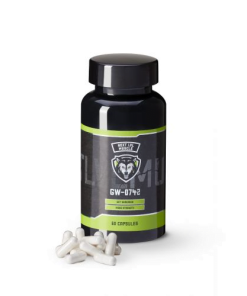
Endurance
Endurance
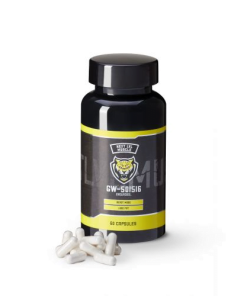
Endurance
Endurance
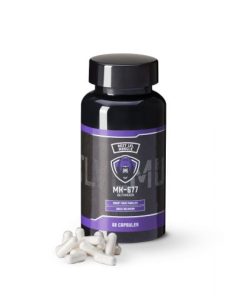
Fat Loss (Cutting)
Fat Loss (Cutting)
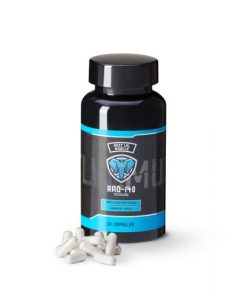
Fat Loss (Cutting)
Fat Loss (Cutting)
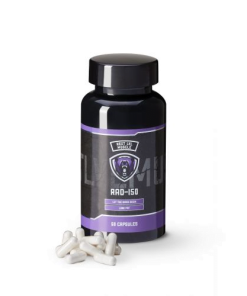
Fat Loss (Cutting)